Polite Hands, Calmer Scales: The Expo Etiquette Guide Nobody Prints on the Map
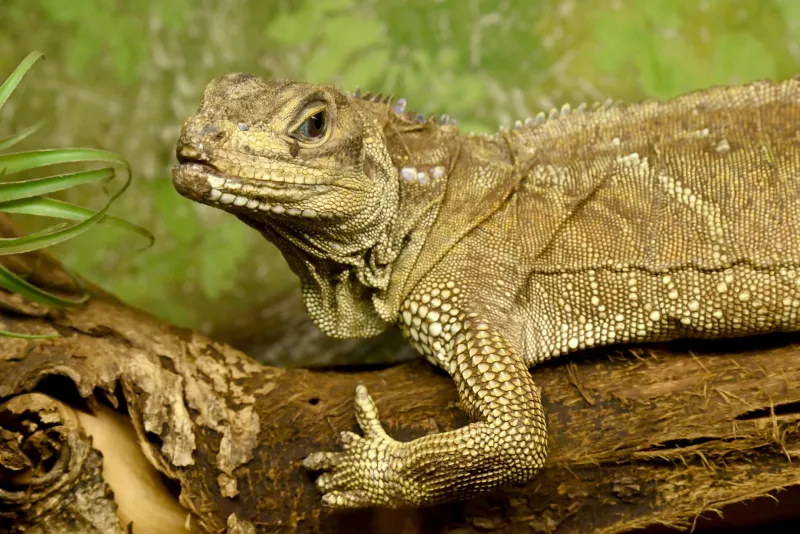
The expo floor has a rhythm. Booths hum, deli cups rustle, and somewhere near the back a kid whispers loudly that the bearded dragon just looked at them. It’s a great scene—until someone taps the glass, blocks a whole aisle with a stroller, or asks a vendor to wake up a sleeping animal for a photo.
Most of the etiquette that keeps a reptile expo running never makes it onto the official map. That’s a shame, because the rules aren’t fussy. They’re about animal welfare, vendor sanity, and making sure everyone gets a fair shot at a good experience. Here’s the field guide we wish were printed on the door.
The first rule is simpler than it sounds: ask first
Not every animal at the Market is there for handling. Some are in shed. Some just ate. Some are breeding adults on a strict no-touch plan. Some are simply having a bad day, and a vendor knows it better than you do.
So before your hand drifts toward a bin, ask. A clean script: “Hi—I’m interested in this one. Is it okay if I hold them today, or would you rather I just look?”
That question does two things. It gives the vendor a graceful way to say no, and it tells them you’re not going to argue if the answer is no. Vendors remember that. They also remember the person who opened a deli cup without asking, which is a fast way to turn a friendly booth into a tense one.
Flash photography is not a neutral act
Your phone flash is brief. To a nocturnal gecko or a snake with sensitive eyes, it can still be a whole lot of sudden light. Add a crowded aisle, a stranger leaning over the bin, and a dozen conversations happening at once, and you’ve got a stressed animal—not a cute photo op.
Ask before you shoot: “Would it be okay to take a photo? I’ll keep the flash off.” If the vendor says yes, use natural light, get low, and don’t hover so close that you’re casting a shadow over the whole enclosure. And please, don’t tap the glass to get a reaction. The animal is not a wind-up toy. A calm animal sitting still is the point.
Negotiating a hold without becoming a cautionary tale
A hold is a small contract. You’re asking a vendor to take an animal off the sales floor because you’re serious. That’s a real ask, especially on a busy Saturday when booths are trying to move animals and keep track of inventory.
A good script: “I’m serious about this animal. Can I put down a deposit to hold until later today? What’s your policy if I change my mind?”
Then listen. Some vendors don’t do holds at all. Some do deposits that are non-refundable. Some will hold until the end of the day only. All of that is fair. What isn’t fair is asking a vendor to hold a reptile for free while you “think about it,” then disappearing into the crowd. If you need time, take the vendor’s card, step away, and come back with a decision. Don’t ghost a hold.
Keep the aisle moving
Expo aisles are not living rooms. They’re the main artery between booths, and they clog fast when a family stops for a group photo, a backpack swings into a table, or a stroller parks horizontally across the walkway.
If you need to regroup, step to the side—preferably outside the booth’s frontage. If your kid wants to watch a snake, crouch at the edge, not in the middle. If you’re taking a photo, ask the vendor where to stand so you’re not blocking their display. And if you’re carrying a bag, keep it in front of you rather than letting it sweep across every table like a wrecking ball.
One easy habit: appoint an “aisle captain” in your group. That person’s job is to notice when you’ve been standing in the same spot for three minutes and gently move everyone along.
Hands, hygiene, and the quiet welfare math
Here’s a rule that never gets enough airtime: sanitize between animals. Vendors will often have hand sanitizer on the table, and if they don’t, carry your own. Touching one reptile and then reaching into another enclosure is a great way to move germs around a room full of animals that didn’t ask for it.
Also, don’t reach into bins or enclosures without permission. Don’t ask a vendor to feed an animal just so you can watch. Don’t tap on glass, don’t prod, and don’t argue with a “Please do not handle” sign. That sign is not a suggestion. It’s usually there because the animal is stressed, shedding, newly arrived, or simply not a handling animal—and the vendor is protecting both of you.
The scripts that make it easy
You don’t need a speech. Short and polite works:
- “Is this one okay to handle today?”
- “Would you rather I keep my hands out of the enclosure?”
- “Can I take a photo with the flash off?”
- “What’s your hold policy?”
- “We’re going to step to the side so we’re not blocking you.”
Those five lines cover most of the friction on an expo floor. They also signal that you’re the kind of visitor vendors are happy to see—the kind who treats the animals like animals, not merchandise with a pulse.
Why this matters more at a holiday market
The holiday season brings bigger crowds, more families, and more gift-shopping energy. That’s great for the Market, but it also means the floor is louder, the aisles are tighter, and the animals are being looked at by more people than usual. Etiquette isn’t about being stiff. It’s about keeping the room calm enough that vendors can say yes to the right interactions and no to the wrong ones without a fight.
So ask before you touch. Skip the flash. Move your stroller. Respect the sign. And if you’re not sure—ask the vendor. They’d much rather answer a question than watch someone tap the glass.