When the Doors Open Softly: A Family Playbook for the Expo's Low-Stimulus Morning
Every expo has a moment when the room turns into a wall of sound. Somewhere around 9:15, the aisle fills up, a vendor fires up a heat gun, three kids discover the squeaky wheel on a stroller at the same time, and the PA crackles to life to announce a raffle. For most families, that's the fun part. For plenty of others, it's the exact reason they've never tried a reptile show at all.
This year the market is trying something about it. On opening morning, the hall unlocks a full hour before general admission, with the lights dialed down, the announcements paused, and a crew of vendors who volunteered for the shift. Call it the quiet hour. It isn't a separate event, and it isn't a watered-down version of the show — same animals, same tables, just a room that hasn't been cranked to eleven yet.
What the Room Actually Feels Like at 8 A.M.
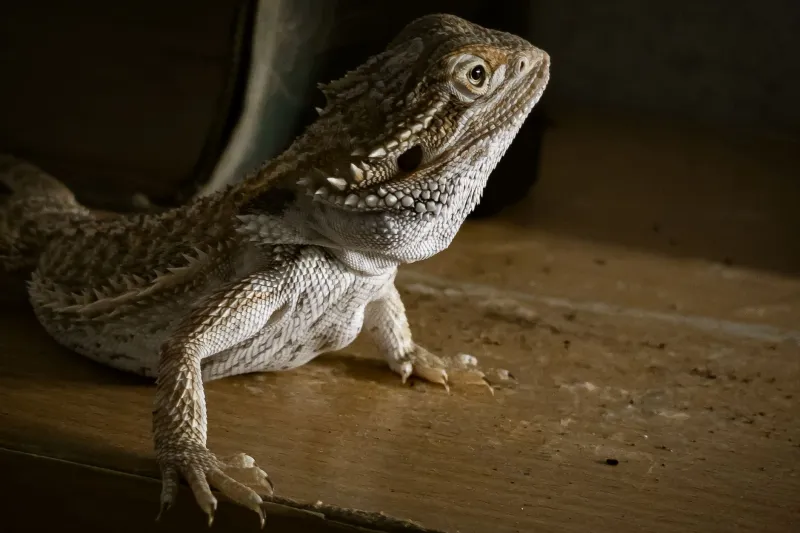
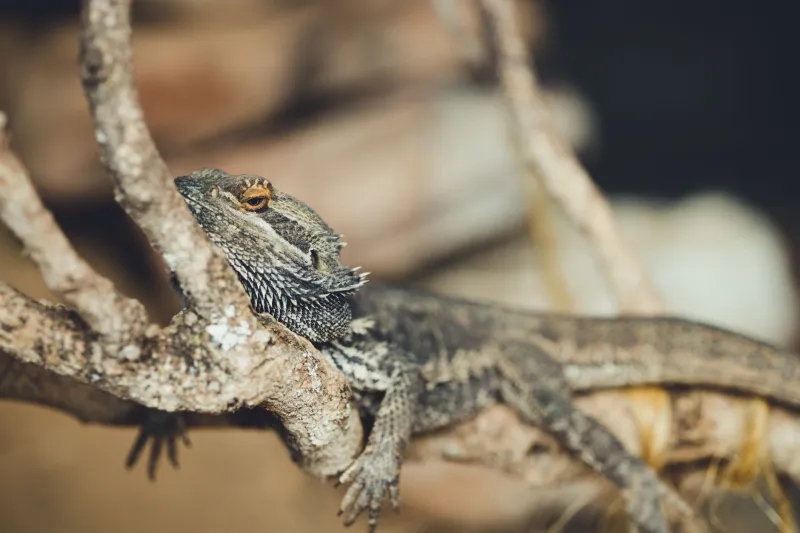
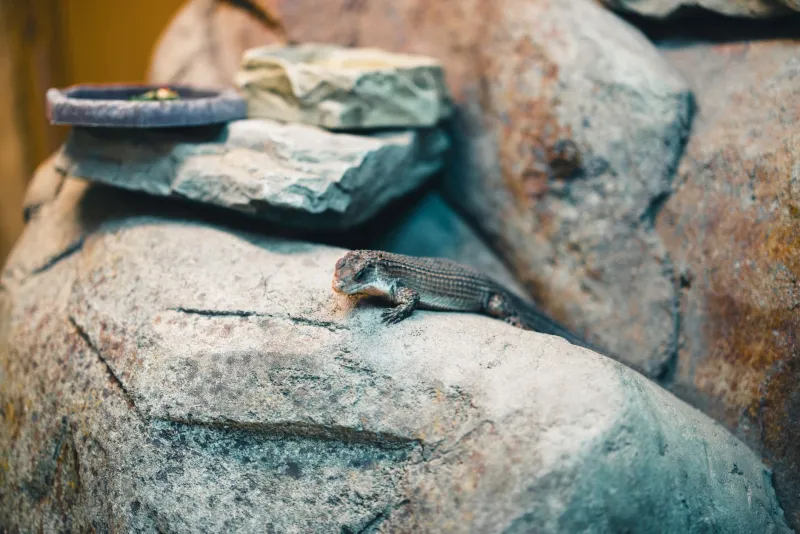
If you've only ever seen the expo at peak hours, the early hour is genuinely strange in the best way. The overheads run at maybe half brightness, so the booth lighting does most of the work. That means the enclosures glow — blue-tongue skinks under their basking lamps, a wall of cresties in soft white light — while the aisles stay dim enough to feel more like a museum after closing than a Saturday morning trade show.
The PA stays off for the entire hour. No vendor spotlights, no "come to booth 214 for a free T-shirt," no birthday shout-outs. Vendors who signed up for the early shift agree to skip the hard sell and the amplified sales pitches. Several of them told me they've been practicing a slower script: let the animal do the talking, answer one question at a time, don't swoop in the second a kid leans toward a tank.
Sound is the other big change. A handful of booths that normally run videos or demo gear keep things muted. Generators and misting systems still hum, obviously — it's a reptile show, not a library — but the difference between a hall of people talking quietly and a hall of people talking over a PA is enormous.
Who the Hour Is Built For
Organizers are careful not to slap a single label on it, because the crowd that shows up is broader than people expect. Parents of kids on the autism spectrum. Adults with PTSD or anxiety disorders who find crowds physically exhausting. Grandparents who use hearing aids and struggle in echo-heavy rooms. Families with a toddler who melts down in line. People with migraines triggered by fluorescent light and sudden noise.
And honestly? A fair number of ordinary first-timers who just want to see the animals without being shoulder-to-shoulder with a thousand strangers. There's no screening, no wristband, no proof required. You show up early, you get the quiet hour.
Why a Reptile Expo Is a Sensory Minefield
It's worth naming the obvious, because it explains why this hour exists at all. A reptile show is a lot: bright lights pointed at reflective glass, dozens of overlapping conversations, sudden movement in every direction, the smell of feeders, temperature swings between the loading dock and the back aisle. Add a stroller, a hungry five-year-old, and a vendor waving a snake to get attention, and you've got a sensory obstacle course.
None of that is a knock on the show. It's the texture of the thing. But texture is exactly what some people can't filter out, and an hour with the volume turned down can be the difference between a family that comes back next year and one that leaves after twenty minutes.
How to Prep Before You Walk In
A few small moves make the quiet hour go a lot smoother:
- Arrive ten minutes early. Parking and the ticket line are calmer, and you'll be inside when the doors open rather than chasing them.
- Bring noise-reducing earmuffs, not just earbuds. Even in the quiet hour, a startled animal or a dropped crate happens.
- Map two or three booths, not twenty. Pick the species your kid actually cares about and let the rest be a bonus.
- Set an exit signal. A hand squeeze, a code word, whatever works. Knowing they can tap out without an argument removes a lot of pressure.
- Eat before you go. Blood sugar is a shockingly common villain in expo meltdowns.
- Skip the adoption table until the end unless you're genuinely ready to talk. More on that below.
The Calm-Down Corner Near the Adoption Area
One of the more thoughtful additions this year is a small designated reset space just off the adoption tables. It's not a kids' play area and it's not a nursing room — it's a quiet zone with seating, water, and lower light where a family can step out, regroup, and decide whether to keep going.
Placing it near adoption was a deliberate choice. The adoption area is where emotions run highest: hopeful families, hard conversations, the occasional happy cry. Having a place to sit down thirty feet away, rather than across the entire hall, means a parent doesn't have to drag a struggling kid through four aisles of stimulation to find relief.
A Few Honest Caveats
The quiet hour isn't silent, and nobody should promise you it is. Animals move, kids get excited, and a vendor will eventually drop something. It's also only an hour — by 9:00 the lights come up, the PA turns on, and the show shifts into its normal gear. Families who need more time should plan to work the edges of the hall and take breaks rather than trying to see everything in sixty minutes.
It's also not a substitute for a quieter weekday visit, because the expo doesn't really have one. This is the calmest version of the show that exists, and it's still a reptile expo.
If You're Going
Doors for the early hour open ahead of general admission, and tickets are the same as regular entry — no upcharge, no separate booking. Check the market's schedule for the exact time, because it shifts slightly by day. Bring the earmuffs, bring the water, bring a plan for leaving early without anyone feeling like they failed.
The animals are the same at 8 A.M. as they are at noon. The room is just a little kinder about it.