Second-Chance Scales: What Really Happens at the Expo's Adoption Tables
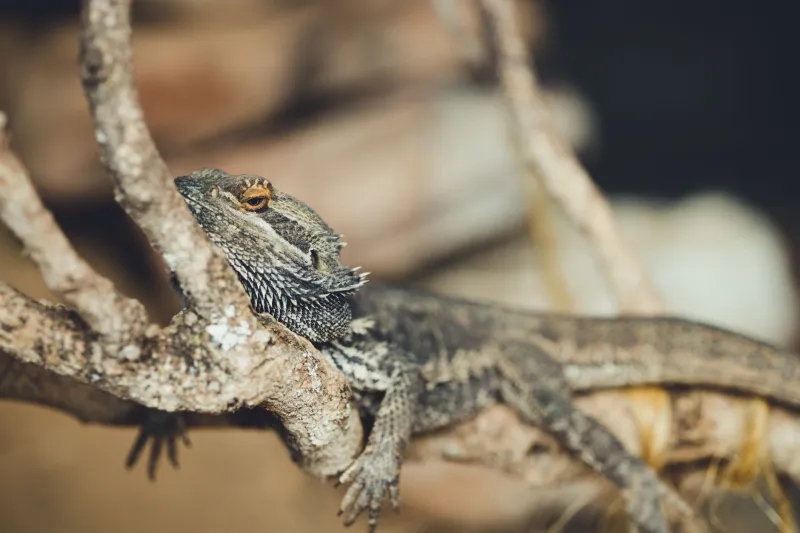
Walk the main floor of the market and your senses get ambushed. Colored LEDs, stacking deli cups, a vendor yelling about a pied ball python like it's a livestock auction. Then keep going, past the concession stand and the photo booth, and the noise drops off. A few tables. Hand-lettered signs. A laminated binder. A bearded dragon asleep under a towel in a plastic tote while a volunteer answers the same question for the ninth time.
That's Adoption Row, and it's the part of the expo that most first-timers walk right past.
The Booths Nobody Puts on a Banner
Rescue and rehoming groups don't get the corner booth. They get whatever's left, and honestly, most of them prefer it that way. The animals in their care aren't products, and the volunteers will tell you — politely but firmly — that a flashy display isn't the point.
What you'll usually find is a mix. A regional reptile rescue with a stack of foster contracts. A one-person rehoming operation that drives in from two counties over. Occasionally a herp society running a surrender-and-adopt pipeline for members who are moving, deploying, or aging out of the hobby.
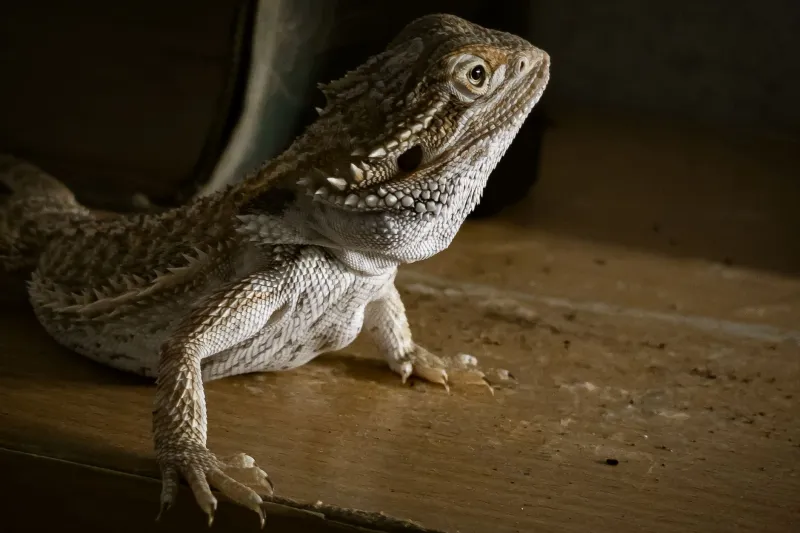
The animals come with paperwork and, almost always, a story. A nine-year-old bearded dragon surrendered with his whole tank and a index card that said "he likes blueberries, please be patient with him." A leopard gecko posted on a local classifieds page by a college student who was moving into a dorm. A ball python whose owner got a new apartment with a no-exotics clause in the lease. A corn snake that arrived with a hand-drawn care sheet from a kid who was clearly devastated to give it up.
Volunteers will tell you the holidays are strange. Surrenders spike in the weeks before, because people are moving or strapped or trying to simplify. Adoption interest spikes too, because something about December makes people want to give a living animal as a gift. The rescue folks have strong feelings about that second part. Ask them.
Buying vs. Adopting: The Screening Is the Difference
A vendor sells you an animal. A rescue evaluates whether you should have one. That's the whole distinction, and it's the reason the adoption table moves slower than the booth with the $30 geckos.
Expect an application. Expect someone to ask what enclosure you have waiting at home, and what size, and what your hot-side temperature is going to be. Expect them to want a photo. Expect a landlord question if you rent, and a question about who else lives in the house — including kids, cats, and roommates who did not sign up for a snake.
Some groups do a video walkthrough of your setup. Some hold the animal for you and check in a week later. Some have a waitlist for popular species because they'd rather place one dragon well than move five fast. None of this is meant to trip you up. It's meant to break a cycle — a lot of the animals on that table are there because somebody bought first and thought later.
One thing that surprises people: many rescues will not adopt out an animal as a surprise gift. If the reptile is for your twelve-year-old, your twelve-year-old needs to be at the table, holding the carrier, hearing the feeding schedule. Volunteers have watched too many "gift" reptiles get rehomed by February.
Questions Worth Asking at the Table
The volunteers are used to getting interviewed. Flip it around and interview them back. A few that actually get you somewhere:
- Why was this animal surrendered? You're not being nosy. Behavior issues, health issues, and "the kid lost interest" all call for different preparations.
- What's the vet history? Ask when the last checkup was and whether the rescue has records. Ask if there were any previous health scares.
- How does it eat, and how reliably? A gecko that's a picky eater is a different commitment than one that slams crickets.
- Any quirks? Handling tolerance, cage aggression, a beardie that only poops in a specific corner. Some of this is charming, some of it is a heads-up.
- What's included? Tanks, lighting, and thermostats sometimes come with the animal. Sometimes the enclosure stays with the rescue. Get it in writing.
- What's the return policy? A good rescue will take the animal back — no drama — if it doesn't work out. If they dodge that question, pay attention.
- Who do I call if something goes wrong at 11 p.m.? Foster networks are usually generous with this. Use it.
The Waived Fee Is Not the Real Number
Here's where the holiday spirit gets expensive. Many rescues waive or reduce adoption fees around the market, and adopters hear "free reptile." That's not the budget.
You still need a properly sized enclosure, a thermostat, a temperature gun, UVB if the species calls for it, a water dish that isn't a Cool Whip container, substrate, and a backup heat source for the two coldest nights of the year. You need a feeder plan that survives a Southwest summer, which is its own saga. And you need an exotic vet within driving distance who will see a $0 bearded dragon for a $95 exam.
Do the actual math before you fall in love. If a rescue includes a full setup, that's a genuinely big deal and worth saying out loud. If they don't, budget the build-out before the animal comes home. And put something aside for the first year — the unglamorous stuff, like a fecal test and a spare ceramic heat emitter.
How to Show Up Well
Bring photos of your setup, already finished and running. Know your numbers. Bring a carrier or a secure tote, because a shoebox with holes poked in the lid is not it. Ask about a quarantine period if you already keep reptiles. And if you're browsing for someone else, don't promise them an animal — let them come meet it themselves.
Mostly, slow down. The volunteers on Adoption Row aren't trying to close a sale. They're trying to end a story on a better page than it started. That's worth a few extra minutes at a folding table.