Strollers, Scavenger Hunts, and Snakes: A Parent's Field Guide to Expo Day with Littles
Photo: Unknown authorUnknown author, Public domain, via Wikimedia Commons
Let's paint the picture: you've been hyping up Reptile Holiday Market to your kids for weeks. They've watched the videos, they've picked out their favorite animals, and now you're standing at the entrance with a stroller, a backpack, and a five-year-old who just spotted a six-foot boa from across the aisle.
Deep breath. You've got this. And we've got the playbook.
Before You Even Park: The Prep That Pays Off
The biggest expo-day mistakes happen before you leave the house. First, eat a real breakfast. Expos are sensory-heavy environments — bright lights, hundreds of people, the hum of heat lamps — and hungry kids crack faster than a dried-out superworm.
Second, set expectations in the car. Not the "we're not buying anything" speech (more on why that backfires later), but the practical stuff: we stay with grown-ups, we ask before touching any animal, and we use our inside voices near the enclosures. Breeders will love you for that last one. Stressed animals and screaming toddlers don't mix.
Stroller Logistics: Know the Terrain
Aisles at a big expo get tight, especially around popular vendors. If your kiddo still rides, bring a lightweight umbrella stroller or a carrier — the bulky jogger with the snack tray will get you stuck in traffic jams near the ball python tables.
Pro tip from vendors we talked to: shop the perimeter first. The outer rows tend to be less crowded in the first hour, which means easier stroller navigation and better one-on-one time with exhibitors who actually love talking to kids. Save the packed center aisles for when the crowd thins after lunch.
Which Booths Are Actually Kid-Friendly?
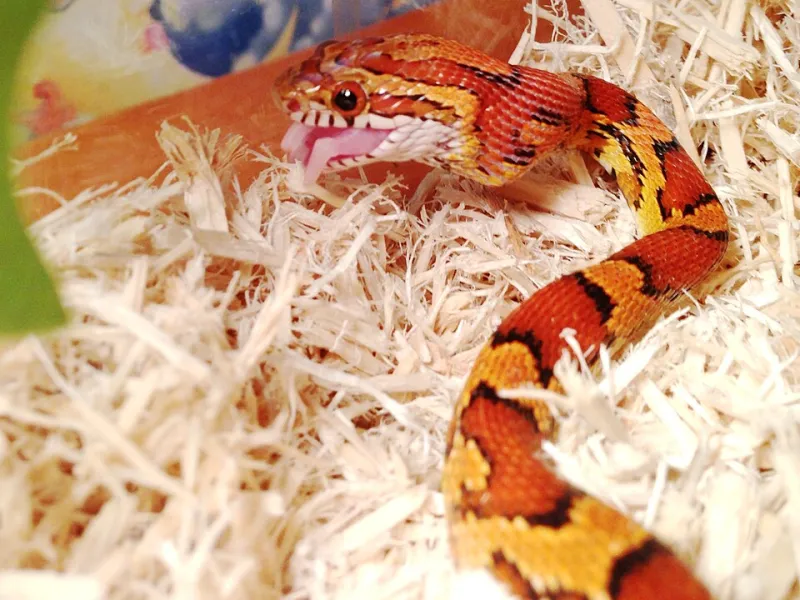
Not every table is a petting zoo, and that's a good thing — it teaches kids that some animals are look-don't-touch. But plenty of vendors at the market run genuine touch-friendly setups, especially those with bearded dragons, leopard geckos, and docile corn snakes.
Here's the golden rule to teach your kids: always ask first, every single time. Vendors will happily let a polite child hold a dragon, and most will launch into a five-minute fact session that's better than anything on YouTube. Some of the best family booths also run scheduled meet-the-animal times — check the event board when you walk in and build your day around two or three of those.
The Scavenger Hunt Trick
If you take one idea from this article, take this one: write a scavenger hunt on a piece of paper before you go. Ten to twelve items works great for most attention spans.
Some crowd-tested prompts:
- An animal that's older than Grandma
- A lizard wearing an accessory (it happens)
- The biggest enclosure at the show
- A snake that looks like spaghetti
- Something that lives in the desert like we do
- A vendor wearing a shirt with their own animal on it
Kids on a mission behave differently. They're walking with purpose instead of dragging, and they're naturally striking up conversations with vendors who are delighted to help them check off a box. Prize at the end: their pick of a sticker, a stuffed animal, or a small feeder-insect-adjacent souvenir. (Yes, kids will choose the cricket keychain. Let them.)
Defusing the "Can We Buy It?" Meltdown
Here's the truth: telling a kid a flat "no" at the entrance is like handing them a countdown timer to a tantrum. The smarter play is the maybe list.
Before you walk in, agree on the deal: "We're not buying an animal today, but you can put three things on your maybe list, and we'll look at them together before we leave." Then actually honor it. Take photos, ask vendors about care requirements, and let your kid feel like a researcher instead of a beggar.
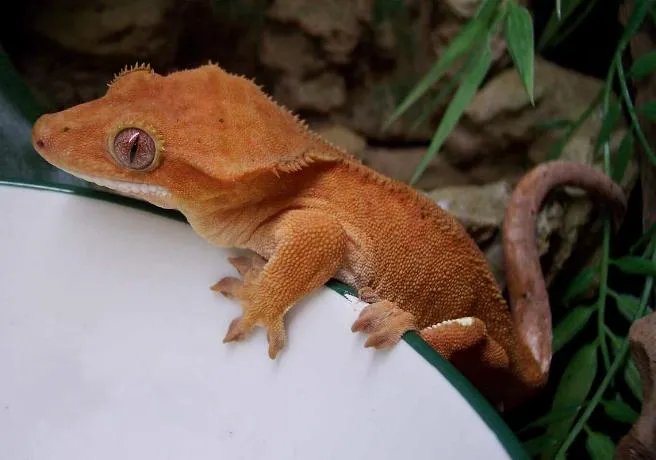
This does two things. It converts whining into genuine learning — vendors love explaining what a crestie actually eats — and it gives you a natural exit conversation. Ninety percent of the time, the maybe list items get forgotten by the parking lot. The other ten percent becomes next year's birthday planning. Either way, you win.
Age-by-Age: What Works When
Toddlers (1–3): Keep visits short — 60 to 90 minutes max, ideally timed right after a nap. They mostly want the big animals and the movement. Bring snacks. Leave before the cranky window, not during it.
Preschoolers (4–5): This is scavenger hunt prime time. They're also at the perfect age for the gentle-holding booths with supervision. Watch for overstimulation — a quiet corner break every 30 minutes works wonders.
Elementary kids (6–10): Lean into the education angle. Encourage them to ask vendors questions directly: What does it eat? How long does it live? Where does it come from? Most breeders will treat a curious kid like a colleague, and your child will walk out feeling ten feet tall.
Tweens (11–12): They're at the age where a reptile might actually become their responsibility, which makes this a legitimate research trip. Hand them the maybe list power entirely. Have them budget it, care-plan it, and present the case at home. Worst case, they learn something about husbandry. Best case, they learn something about earning it.
The Exit Strategy
Every parent knows the walk out is where days fall apart. Set a timer on your phone for your planned departure and give a ten-minute warning — the same move that works at the playground works here. Hit the gift-style booths (stickers, shirts, plush snakes) last, on the way to the door, so the final memory of the day is a win.
And if it all goes sideways? There's no shame in a mid-show retreat. The market isn't going anywhere, and neither are the snakes. A short, happy visit beats a long, teary one every time.
See you at the show — we'll be the ones with the stroller parked strategically by the gecko tables.