Your Phone Camera Is Better Than You Think: A No-Stress Guide to Photographing Your Reptile

Photo by Photo by Hanna Lazar on Unsplash on Unsplash
Walk the aisles at any big expo and you'll spot them: hobbyists crouched over a vendor's table, phones out, shooting a designer morph under a display light like it's a runway show. Reptile photography has exploded, and honestly? Most of it is happening on the same camera you use to text your group chat.
The good news for beginners: your phone is genuinely capable of magazine-quality reptile shots. The better news: getting them doesn't require manhandling your animal. Here's how to level up without stressing anyone out — least of all the snake.
Light Does 90% of the Work
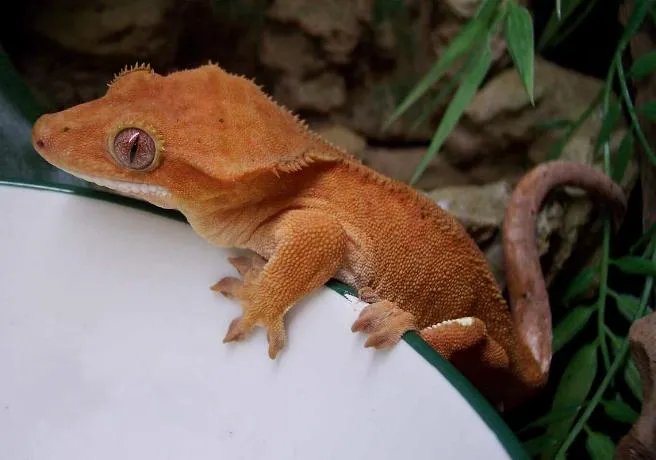
If you remember one thing, make it this: reptile photography is a lighting hobby, not a camera hobby. Scales, keels, and iridescence all read best under bright, indirect light — think a window with sheer curtains, or your porch on an overcast morning. Direct noon sun will blow out highlights on a pale morph and turn your leopard gecko into a squinting lemon.
Avoid shooting under reptile-specific bulbs alone. Red or blue "night" lights will wreck your white balance, and even a good white basking bulb creates harsh top-down shadows. Crack a curtain, kill the room lights, and let daylight do the flattering.
Work With the Enclosure, Not Against It
Glass and plastic are the enemy of clean shots — smudges, reflections, and that dreaded focus-hunting-through-three-walls problem. A few tricks:
- Shoot at a slight angle, never dead-on, and you'll mostly eliminate your own reflection.
- Clean the glass. Seriously. A microfiber cloth costs two dollars and fixes half your photos before you take them.
- Get on their level. Shots from above make animals look small and skittish. Drop to the substrate line and suddenly your ball python looks majestic instead of coiled up in a hide.
For photos outside the enclosure, a simple backdrop helps enormously. A solid-colored towel, a plain storage tote lid, or even a clean tile gives you that professional "studio" look vendors use in their booth displays.
Timing Beats Taming
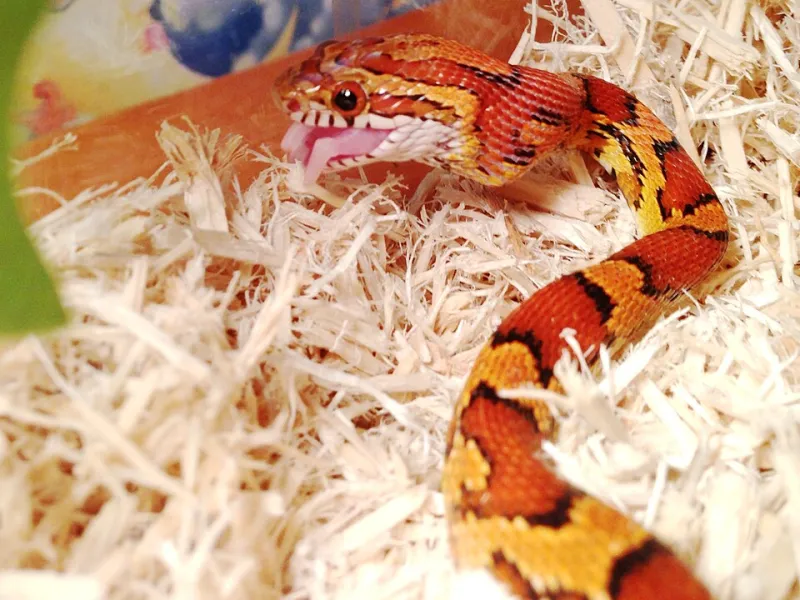
Here's where a lot of keepers go wrong: they decide it's photo time, pull the animal out mid-digest or mid-shed, and wonder why the whole session looks tense. Reptiles aren't models on call. Shoot after a feed-digest rest day, when your animal is alert and cruising — that's when you get the tongue flicks, the head lifts, the curious poses that make a photo sing.
And keep sessions short. Ten minutes of handling for photos is plenty, especially for young or shy animals. If your snake is balling up or your gecko is doing the tail-wiggle of doom, the shoot is over. Reschedule. There's no photo worth teaching your animal that the human hand means stress.
Phone Settings That Actually Matter
You don't need manual mode. You need three things:
- Tap to focus on the eye. Phone cameras love to lock onto backgrounds. The eye is the shot.
- Burst mode for movement. A cruising monitor lizard or a leaping gecko is a burst-mode job. Fire off ten, keep one.
- Lock exposure on bright animals. Pale morphs and albino animals fool phone meters. Tap, drag the sun icon down slightly, and stop blowing out those yellows.
Skip the zoom — it's digital cropping, not real reach. Walk closer instead (within reason and your animal's comfort).
Then Put the Phone Down
This is the part the viral posts don't show: the best reptile photographers at any expo are also the calmest handlers. They wait. They let the animal settle. They take six photos instead of sixty and spend the rest of the time just watching their animal be an animal.
Your gecko doesn't need a content calendar. It needs consistent heat, clean water, and a keeper who isn't always hovering with a lens. Get the shot, get the memory, then get back to enjoying the animal you actually brought home.
And if you want a masterclass, skip the YouTube algorithm and head to the next market. Watch how the veteran vendors photograph their animals — calm hands, good light, endless patience. That's the whole curriculum, and admission is just a ticket.