Ditch the Heat Lamp: 5 Southwest-Native Reptiles That Are Happy at Room Temperature
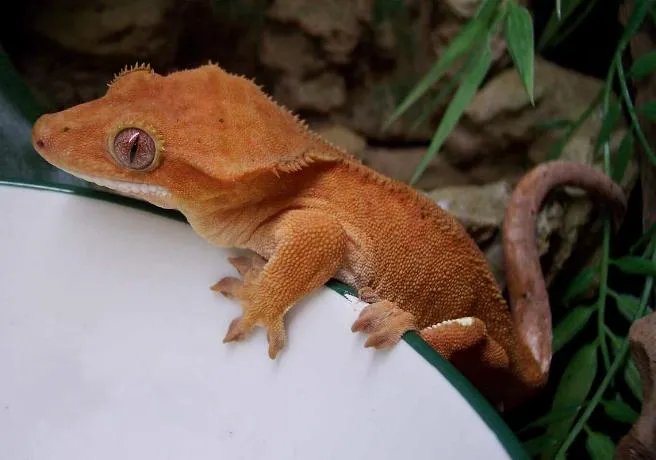
Photo: annakilljoy, moderator of geckoleo.com/forum, Public domain, via Wikimedia Commons
Every Southwest keeper knows the summer math. It's 112°F outside, your AC is already fighting for its life, and your reptile room is adding another 300 watts of heat lamps to the load. Your utility company sends a sympathy card.
But here's a twist a lot of newcomers miss: some of the best beginner reptiles in the hobby come from climates where they don't need a basking bulb at all. If you keep your home in the normal human-comfort range — roughly 68 to 78°F — these species will thrive with zero supplemental heat. That's not a loophole. That's just good husbandry matching good geography.
One honest caveat before the list: "no heat lamp" does not mean "no effort." Every animal on this list still needs proper lighting consideration, correct humidity, real enrichment, and a vet who sees exotics. Room-temperature husbandry simplifies your electric bill, not your responsibilities.
1. Crested Gecko (Correlophus ciliatus)
The darling of the no-heat crowd, and for good reason. Crested geckos from New Caledonia are built for mild, stable temperatures and genuinely suffer above the low 80s. If your house sits in the low-to-mid 70s, you're done — no bulb, no mat, no thermostat.
Setup notes: A vertical, planted-style enclosure with plenty of cover. They eat a powdered diet mixed with water, supplemented with occasional insects. Keep them below about 80°F at all times — in the Southwest, your bigger worry in July is overheating, not chilling.
The honest note: They're jumpers and they're nocturnal, so don't expect a display animal that sits still under observation. They're watchers' pets.
2. Gargoyle Gecko (Rhacodactylus auriculatus)
Crestie's chunkier cousin shares the same thermal comfort zone and the same easy powdered-diet setup. Gargies tend to be a bit bolder and slower-moving, which some keepers prefer, and they handle handling a little more gracefully once settled.
Setup notes: Same vertical enclosure philosophy, same room-temperature rule. A small LED for a day/night cycle is plenty — no UVB strictly required, though some keepers offer low-level UVB and report good results.
3. Mediterranean House Gecko (Hemidactylus turcicus)
Yes, the little lizard on the wall of your Airbnb in Sedona. These guys have colonized the American Southwest and they're fantastic, overlooked vivarium subjects. They're small, active at dusk, and content at typical indoor temperatures.
Setup notes: A 10-gallon vertical setup with cork bark and climbing surfaces works. Small live insects are the whole menu. They're cheap, widely available, and tougher than their size suggests.
The honest note: They're fast and flighty. This is a look-don't-touch species, which suits plenty of keepers just fine.
4. Tiger Salamander (Ambystoma tigrinum)
Not a reptile, but a Southwest-adjacent amphibian that deserves the spotlight. Tiger salamanders range into Arizona and Mexico and prefer cool, stable temperatures — a warm house is actually a risk for them. Aim for the low-to-mid 60s to low 70s, which in most air-conditioned Southwest homes means a cool room or a spot away from sunlit windows.
Setup notes: A terrestrial setup with deep, damp substrate for burrowing. They eat earthworms, nightcrawlers, and appropriately sized insects. Long-lived — we're talking 10 to 15+ years — so this is a commitment, not a phase.
The honest note: In the desert, "cool room" is the whole ballgame. If your place runs warm in summer, this isn't your species.
5. African Fat-Tailed Gecko Alternative — Or Better Yet, the Local Option: Western Banded Gecko (Coleonyx variegatus)
If you want a terrestrial gecko with leopard gecko vibes but zero heat lamp, look at the western banded gecko — a native Sonoran Desert species that's nocturnal, insect-loving, and perfectly content at room temperatures in the low-to-mid 70s.
Setup notes: A terrestrial enclosure with a soil-sand mix, hides, and a shallow water dish. Feed small insects dusted with calcium. Because they're native, they're also a great conversation starter about desert conservation — and they're proof that the coolest pets might be the ones living outside your back door.
The honest note: Always source captive-bred animals, never wild-caught. And check local regulations before keeping any native species — our state-by-state law guide covers the basics.
The Bottom Line
Room-temperature husbandry isn't lazy — it's matched to the right animal. Pick a species whose natural comfort zone overlaps with your home, and you'll spend your money on a great enclosure and quality food instead of a summer-long fight with your thermostat.
Want to meet these species in person? Several of our regular vendors specialize in geckos and amphibians and are happy to talk setup strategy at the next market. Bring your questions — and maybe a photo of your reptile room.