Know Before You Go: A State-by-State Cheat Sheet for Reptile Laws in the Southwest
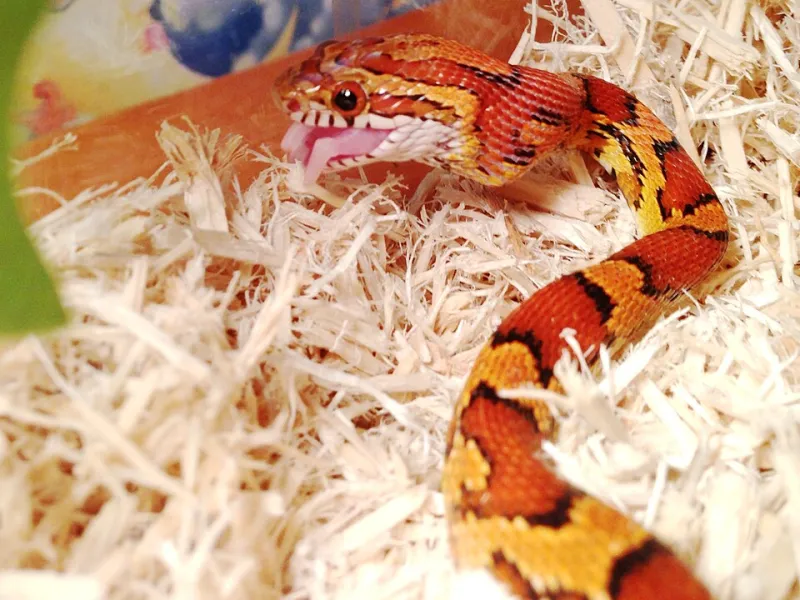
Photo: Dustin Miller, CC BY-SA 3.0, via Wikimedia Commons
Every year at the Reptile Holiday Market, someone walks up to a vendor booth, points at an animal, and asks the question that stops the conversation cold: "Can I actually own this?"
The answer depends entirely on which side of a state line you're standing on. And for keepers in the Southwest — where four states with wildly different rules share a border region — that question matters more than almost anywhere else in the country.
Why the Southwest Is a Legal Patchwork
There's no single federal rulebook for most reptile ownership. Instead, each state's game and fish department writes its own regulations, and they don't always make sense together. A species that's perfectly legal in El Paso might require a permit in Las Cruces and be flat-out prohibited in Tucson.
"I've had customers drive three hours from Arizona to buy an animal they can't legally take home," says a longtime vendor who exhibits at Southwest expos every season. "We check before we sell. Everyone should."
Arizona: Strict, and Proud of It
Arizona has some of the tightest reptile rules in the region. The state bans or heavily restricts many non-native species, and native herps — Gila monsters, for example — are off-limits to private keepers without special permits. Even some commonly kept species elsewhere, like certain monitor lizards and large constrictors, fall under restricted-wildlife rules requiring a license.
The practical takeaway: assume you need paperwork in Arizona until a game and fish source tells you otherwise.
New Mexico: Permits Behind the Scenes
New Mexico is a little more forgiving on paper, but the state maintains a "restricted species list" that requires a permit for importation and possession. Venomous reptiles and several exotic species need sign-off from the Department of Game and Fish. Keepers moving to New Mexico from out of state often discover their animals technically needed import authorization — a surprise nobody wants after the moving truck is unloaded.
Nevada: Loose in the South, Tighter Up North
Nevada is famously permissive — venomous snakes and many exotics are legal in much of the state, which is why it's home to a thriving reptile scene. But counties and cities can layer on their own rules. Clark County and the City of Las Vegas have their own ordinances, so "legal in Nevada" doesn't always mean "legal at your address."
Texas: Big State, Big Loopholes — With a Few Landmines
Texas is one of the most permissive states for exotic reptile owners. Venomous snakes are legal to keep, and most species require no permit at all. The exceptions matter, though: some regulated species, like certain big cats and dangerous wild animals (which can include large constrictors under local ordinances), trigger county-level rules. Texas also runs strict rules on invasive species, and transporting certain animals across state lines into Texas can trip federal rules like the Lacey Act.
What Actually Gets Confiscated
Confiscations usually don't come from smugglers. They come from three everyday scenarios:
- Moving without checking the new state's rules. Your legal pet in Texas becomes contraband in Arizona.
- Traveling through a restricted state. Even passing through with a prohibited species can count as illegal transport.
- Documentation gaps. Captive-bred animals without receipts or paperwork are hard to prove legal during a traffic stop or inspection.
Vendor Tips for Staying on the Right Side of the Line
The vendors who travel the expo circuit have this down to a system:
- Keep purchase records forever. A receipt with the species name is your best legal defense.
- Check both endpoints and the route. State fish and wildlife websites publish prohibited species lists — read them before a move or a road trip.
- Call before you assume. Game and fish departments answer questions from the public all day. It's free.
- Ask vendors about legality. Reputable expo sellers know the rules for every state they drive through. If a seller won't discuss it, walk away.
- Re-check annually. Regulations change more often than keepers realize, and prohibited lists get updated.
The Bottom Line
The Southwest is one of the best regions in the country to be a reptile keeper — the climate, the community, and the expo scene are all top-tier. But the legal landscape rewards the hobbyists who do their homework. Before your next purchase at the market, spend twenty minutes on your state's wildlife agency website. It's the cheapest insurance in the hobby.