When Cricket Colonies Crash: A Southwest Keeper's Field Guide to Feeder Insects That Survive the Heat
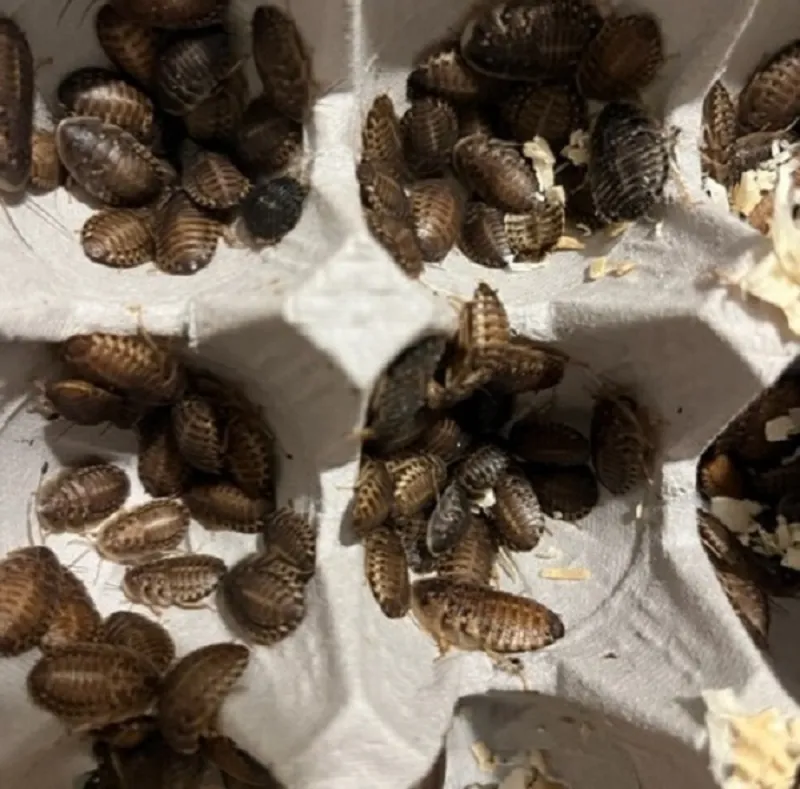
Photo: dubia roach colony feeder insect bin with egg crates, via dougsbugz.com
The Problem With National Care Advice
Most feeder insect guides are written by keepers in Ohio. That's fine for them. But if you're keeping reptiles in Tucson, Las Vegas, or Albuquerque, you already know the dirty secret: the same cricket colony that thrives in a mild climate can crash overnight in a Southwest summer, and your feeder bin can turn into a smelly, fly-infested crime scene before you finish your morning coffee.
Heat, low humidity, and brutal temperature swings are the enemy. Here's how experienced keepers across the desert Southwest fight back.
Hack #1: Ditch Crickets, Go Dubia
Ask any veteran keeper at our market what they raise, and nine out of ten will say dubia roaches. They're quieter, they don't stink like crickets, they can't climb glass or fly, and — critically for us — they tolerate heat far better than crickets do.
In fact, dubias like it warm. While a Midwest keeper needs a heat mat on their colony, a Phoenix keeper's spare room in July is basically a dubia paradise. Keep them in a ventilated plastic tote with egg crates, feed them scraps and dry grain, and they'll out-breed your dragon's appetite.
One warning: check your local rules. Some counties and states restrict roach species, so verify before you set up a colony.
Hack #2: Never Store Feeders in a Garage That Hits 110°F
The single most common Southwest rookie mistake is treating the garage as "cool storage." In July, an attached garage in the Southwest is an oven, and a bin of hornworms left out there becomes soup by 2 P.M.
The fix: keep feeders inside, on an interior wall, away from windows. A closet or laundry room that stays in the mid-70s to low 80s is ideal for most species. Hornworms and silkworms actually do best in the fridge door — the one spot in a desert house that's reliably cool.
Hack #3: Water Without the Swamp
Low humidity is a feature of desert living, but it's a bug-killer for species that need moisture. Crickets and dubia alike need hydration, and the classic mistake is misting a bin in a dry climate — the water evaporates so fast you're misting constantly, and the wet spots breed mold and mites.
Southwest keepers swear by water crystals instead. A small dish of polymer water gel stays hydrated for days, can't spill, and won't rot the way wet sponges or potato slices do. Pair it with dry gut-load food on the other side of the bin and you've got a colony that stays clean and nutritious.
Hack #4: Gut-Load With What's Cheap at the Farmers Market
Here's where desert living works in your favor. Gut-loading — feeding nutritious food to your feeders before they become your reptile's lunch — is easy when your local farmers market is overflowing with squash, greens, and carrots most of the year.
A solid gut-load mix: leafy greens, grated carrot or squash, a scoop of dry chicken feed or commercial gut-load, and a pinch of calcium-rich powder on the surface. Feed the bugs 24 hours before feeding time and your animal gets the benefit. Skip the dog food and fish flakes routine — the desert heat turns that mix rancid fast.
Hack #5: Build a Two-Week Buffer, Not a Two-Year Empire
The keepers who never panic-buy feeders at expos are the ones who run a modest rotation: a dubia colony as the staple, a small fridge stash of hornworms or silkworms for variety and hydration, and a weekly top-up from a vendor.
That's the real secret — buy your feeders and your feeders' food at the same place. Plenty of vendors at the market sell both live feeders and gut-load supplies, and they'll happily talk colony strategy with you. Pick their brains. Ask what survived their worst summer.
Your Bugs Are Your Animal's Health
A bearded dragon or leopard gecko is only as healthy as what goes into it, and in the Southwest, what goes into it depends on how well your feeder setup handles the heat. Start with dubia, keep everything indoors, use water crystals, gut-load with fresh produce, and keep a two-week buffer. Do that, and a 115-degree week becomes an inconvenience instead of a colony collapse.
Stop by the next market and talk feeders with the vendors — every one of them has a summer horror story and a setup that beat it.