Before You Fall in Love at the Expo: The Real Talk Families Need About Reptile Ownership

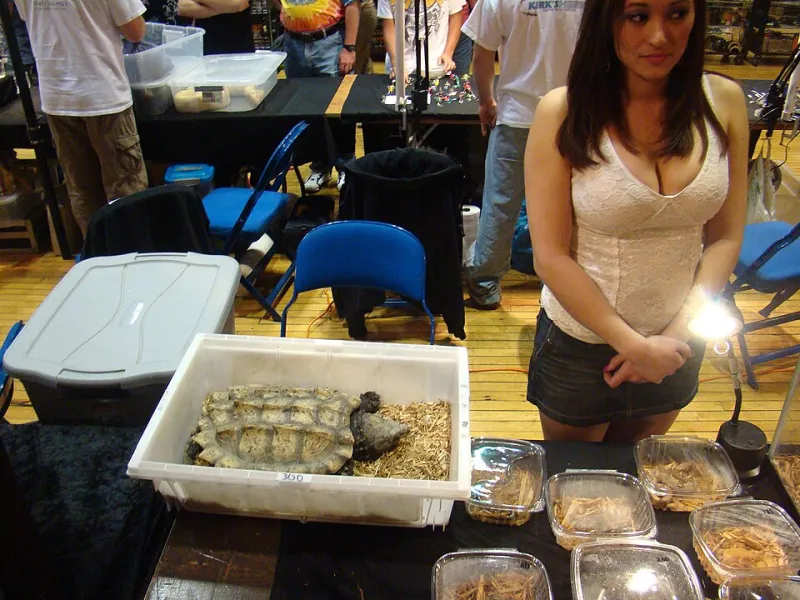
Photo: GoldenArtists, CC BY 4.0, via Wikimedia Commons
Let's be honest about what happens at every reptile expo. A family walks in "just to look." Forty-five minutes later, they're walking out with a bearded dragon, a 40-gallon tank they got talked into, and a dawning sense of "wait, what did we just agree to?"
We're not here to shame anyone — some of the best reptile keepers we know made impulse decisions at shows. But we've also seen plenty of animals surrendered within a year because nobody did the math first. So before you buy at this year's Reptile Holiday Market, here's the unvarnished truth about what you're signing up for.
The Price Tag Doesn't End at the Animal
The gecko on the vendor's table might cost $50. That's the cheapest part of the entire equation, and anyone who tells you otherwise is doing you a disservice.
Here's a realistic first-year budget for a beginner setup:
- Enclosure: $100–$300 depending on size and quality
- Heating and lighting: $60–$150 (thermostats are non-negotiable, not optional)
- Substrate, hides, and décor: $50–$120
- Ongoing food and supplements: $20–$50 per month
- Veterinary care: Budget at least $150 for an exotic vet visit — and yes, you need a vet who actually sees reptiles
Realistically, you're looking at $400–$700 to start properly, then ongoing monthly costs. If that number made you wince, that's useful information. It's better to wince now than to cut corners on heating later, because improper husbandry is behind the majority of reptile health problems we hear about.
The Commitment Nobody Mentions at the Booth
Here's the conversation that gets skipped: reptiles live a long time. A leopard gecko can hit 15–20 years. A corn snake can easily reach 20. A ball python might outlive your kid's entire childhood, their college years, and possibly their first apartment.
That's not a dealbreaker — it can actually be a beautiful thing. But ask yourself honestly: will your family still be engaged with this animal in 2035? Who takes care of it when your kid leaves for college? Reptiles can't be rehomed to a friend's house for a weekend like a hamster. They need daily attention to their environment even when the novelty wears off.
And the novelty does wear off. That's not cynicism; it's just how kids work. The smartest families we see at expos are the ones where the parents genuinely want the animal too, because nine times out of ten, the adults end up doing the daily care.
Which Species Actually Work for Families (And Which Don't)
Not all reptiles are created equal when it comes to beginner-friendliness. Here's our honest take on the classics:
Leopard Geckos: The Gold Standard
Hardy, handleable, quiet, and they don't need elaborate lighting setups. A leopard gecko tolerates the occasional clumsy kid-handling better than almost anything else in the hobby, and their care requirements are straightforward. If your family wants a reptile you can actually interact with, start here.
Corn Snakes: The Underrated Pick
Corn snakes eat frozen-thawed rodents, thrive in simple setups, and rarely refuse meals. The catch? Some kids are weirded out by feeding whole prey, and snakes aren't cuddly in the traditional sense. If your family is fine with that, a corn snake is arguably the easiest reptile to keep long-term.
Bearded Dragons: Popular, But Know What You're Getting
Everyone loves beardies, and their personalities are genuinely dog-like. But they need bigger enclosures, UVB lighting, fresh vegetables prepared regularly, and more daily interaction than most beginners expect. They're a fantastic family reptile — for families ready to do the work.
The Ones to Avoid as a First-Timer
Iguanas, monitors, and most large snakes belong on the "someday" list. They get big, they need serious space, and some can be genuinely dangerous in untrained hands. Similarly, think twice about red-eared sliders — that cute quarter-sized hatchling becomes a 30-year commitment with a tank filtration bill to match.
The Impulse-Buy Test: Five Questions Before You Swipe
Walk past any booth at the expo and ask yourself these five questions:
- Do we have the space for the adult-sized enclosure, not the baby-sized one?
- Who is doing the daily care — and will they still be doing it in year five?
- Is there an exotic vet within reasonable driving distance?
- Can we afford the setup and the ongoing costs without straining the budget?
- Are we buying this animal, or are we buying the moment?
If you can't answer all five confidently, here's our advice: buy nothing, take photos, grab the vendor's card, and go home. A good breeder will still be breeding in three months, and a reputable one will respect the decision to wait. The vendors worth buying from are the ones who'll happily talk you out of a purchase you're not ready for.
What to Do at the Show Instead
The expo is still absolutely worth attending if you're not ready to buy — arguably more so. Watch how experienced keepers handle animals. Ask vendors about their worst mistakes. Attend a care talk or two. Get a feel for which species genuinely draws your family in.
Then, when you've done the research and the budget is set, you can come back and make a purchase you'll feel great about a decade from now. The animals will still be there. The right one is worth waiting for.
And when you do take the plunge? Swing by the vendor booths we profiled in our spotlight series. The people behind those tables care about where their animals end up — and that's exactly the kind of seller you want in your corner.