The Teardown Tango: Reading Vendor Fatigue and Landing a Fair Last-Hour Deal
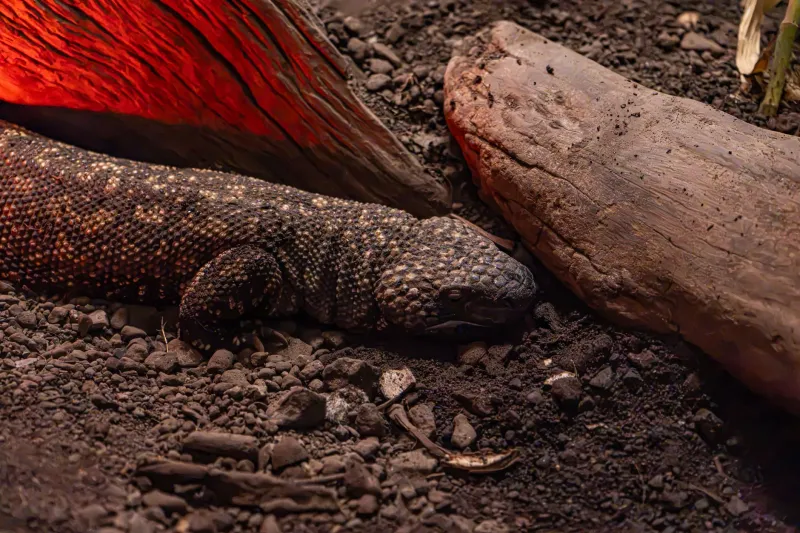
Sunday afternoon at the Reptile Holiday Market has a rhythm all its own. The morning families have cleared out, the aisle traffic thins, and somewhere around 3 p.m. the sound of tape guns and collapsing boxes starts competing with the ambient hum of heat lamps. This is the teardown window — the last 90 minutes or so when vendors begin packing, prices start sliding, and the show floor turns into equal parts clearance sale and controlled scramble.
For shoppers, it looks like an opportunity. For vendors, it’s a countdown. And for the animals, it’s the tail end of a long, handled-heavy weekend. All three realities matter if you’re thinking about buying anything — especially a live reptile — in that final stretch.
Why Sunday Prices Drop (and Why That’s Not Automatically Good)
Vendors discount late for practical reasons. They don’t want to pack every enclosure, feeder cup, and bag of substrate back into the truck. Every animal that goes home with a customer is one less bin to load, one less heat pack to manage, one less stop on the ride home. A price cut can simply be the cost of not hauling inventory.
That’s a real bargain when the animal is healthy, the paperwork is straight, and the seller is still calm enough to answer questions. It’s a costly impulse buy when the discount is covering for a problem — a reptile that’s been passed around all weekend, a vendor who can’t find the feeding records, or a setup that’s being sold as an afterthought.
The trick is separating “I don’t want to pack this” from “I don’t want to deal with this anymore.” Those can look identical from the aisle. They are not identical in your living room.
The Three Kinds of Last-Hour Sellers
By late Sunday, vendors generally fall into one of three camps.
The first is the packing-with-purpose seller. Boxes are sorted, animals are covered or settled, and the booth still has a system. They’re tired, but they’re organized. These are the folks worth talking to. They’ll often deal, and they’ll still tell you the truth about the animal in front of you.
The second is the fried vendor. Water bottle empty, phone missing, snapping at a kid who touched a display sign. It happens — a weekend of expo traffic is brutal — but it’s not a great moment to ask complex care questions or negotiate a living creature. If they can’t find the paperwork or tell you the last meal, that’s your cue to move on.
The third is the pure flipper. Everything is slashed, nothing has a record, and the answer to every question is “it’s fine, man.” A low price from a seller with no information isn’t a bargain. It’s a mystery box with a heat lamp.
A Practical Checklist Before You Say Yes
Late-day buying works best when you treat it like a quick inspection, not a race. Ask these questions before money changes hands:
- How long has this animal been at the show? Has it been out on display all weekend?
- When did it last eat, and what did it eat?
- Can you show me the feeding record or breeder info?
- Will you open the enclosure so I can see it move and drink?
- Does this price include the setup, or just the animal? What about the heat lamp, thermostat, and enclosure?
- Is there any written return policy, or is this final sale?
If the vendor can’t answer basic questions because they’re already halfway to the loading dock, that’s information too. Fatigue isn’t a bargaining tool. It’s a signal.
Timing the Window Without Getting Burned
There’s a sweet spot, and it isn’t the very last minute.
Between about 2:30 and 3:00, most booths are still fully set up. You’ll get better answers and fewer discounts. Use this time to scout. Ask a vendor whether they expect to be there at 3:30 and whether they’d consider an offer later. Get a card. Note the booth number.
From roughly 3:00 to 4:00, the teardown energy kicks in. Discounts start appearing, but sellers are still functional. This is the best window for a live animal purchase if the animal looks healthy and the vendor is organized.
The final 20 minutes are for supplies, not surprises. Enclosures, decor, substrate, and bulbs can be genuinely cheap when a vendor would rather sell than pack. Live animals? Only if you already did your homework earlier in the day and came back to a seller who still has their act together.
Read the Animal Before You Read the Price
A stressed reptile doesn’t care that the enclosure is 40% off. If the animal is limp, hiding hard, breathing oddly, or being passed around by kids while the vendor packs, walk away. A discount doesn’t fix a health question, and the expo floor is not the place to diagnose one.
Ask how the animal has handled the weekend. A good seller will tell you if it’s been out a lot, if it skipped a meal, or if it needs a quiet settle-in period. That honesty is worth more than a price cut.
What’s Actually Worth Buying Late
Supplies are the safest late-day win. Extra enclosures, fake plants, water bowls, thermostat controllers, and unused heat bulbs are all fair game. Feeders can be a good deal too, but check that they haven’t been baking in a hot car or sitting in direct sun all afternoon.
For live animals, the bar should stay high no matter the hour. You want a seller who can still answer questions, paperwork you can actually see, and an animal that looks alert enough to handle a car ride home.
A Simple Game Plan
Arrive early, scout the booths you like, and ask whether the vendor will still be around late. Set a budget before you walk in and decide what you’re willing to spend on the animal plus the setup. Bring cash if you can — it keeps negotiations simple — but don’t let a “cash deal” rush you past the checklist.
And give yourself permission to leave empty-handed. The teardown window rewards prepared shoppers, not impulsive ones. A fair last-hour deal is one where the animal, the setup, and the seller’s answers all still make sense when the boxes are packed and the lights go down.