The Reptiles That Ride Home in the Truck: What Really Happens to the Animals Nobody Bought
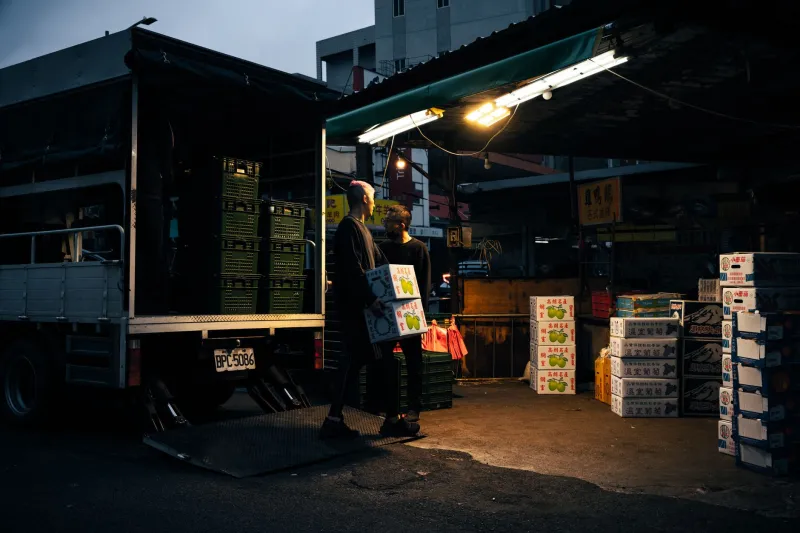
At 5:40 on the final night, the cocoa station is a graveyard of paper cups and the floor is a lattice of packing tape. Somebody's kid is asleep on an empty cooler near the exit. And at table after table, vendors are doing the least photogenic work of the whole weekend: counting what's left, opening a notes app, and making phone calls.
Because the expo doesn't end when the doors close. It ends about ninety minutes later, in a parking lot, when the last tub gets strapped into a truck bed.
The Last Hour Is Not the Slow Hour
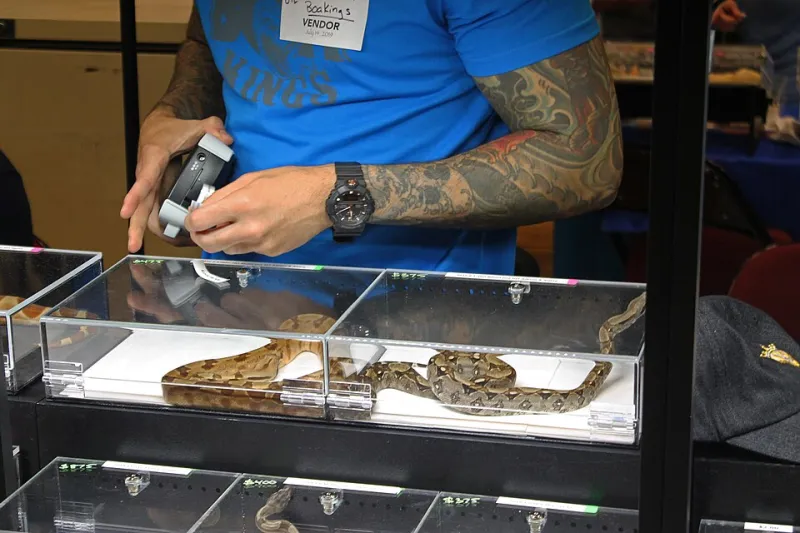
Walk the hall at 5:00 p.m. on Sunday and you'd think everyone's already mentally on the road. They're not. This is the hour where a breeder does the math that determines the next six months of their operation. How many animals came in? How many are going home? Which of those are going home on purpose, and which are going home because the plan didn't work?
Veteran vendors will tell you they budget for a carryover. Fifteen, twenty percent is normal and healthy. What's not normal is a table that still has thirty animals on it at close, because that tells you something upstream went wrong — overproduction, a bad read on the market, or a seller who brought inventory they can't house.
Holdbacks Are Not Rejects
The first thing that happens to unsold animals is the least dramatic. They get held back.
A holdback is exactly what it sounds like: the vendor keeps the animal. Sometimes that's because it's a project animal — a ball python with a pattern the breeder wants to breed back into their line, a bearded dragon that's still coloring up, a gecko that hasn't hit a size they're comfortable selling. Sometimes it's because the animal is a little shy, or was a picky eater that week, and the breeder would rather grow it out than hand a question mark to a stranger.
And sometimes it's simple arithmetic. A breeder with a rack system and a spare shelf has almost no marginal cost to keeping an animal another eight months. Why dump a healthy juvenile for half price when holding it costs a few dollars in feeders?
If you're standing at a table and a vendor says 'I'm keeping this one,' that's usually a good sign, not a bad one. It means they have a plan and a place to put it.
The Repeat-Buyer Text Thread
The second pipeline is the one most attendees never see. By Sunday afternoon, a lot of vendors are working a phone list.
Breeders collect customers the way barbers do — by name, by animal, by what they bought two seasons ago. When a show leaves them with extra stock, the first move is a text to the person who asked about that exact morph in September and said 'maybe next year.' Waitlists, deposit lists, and group chats do real work in this hobby. Some vendors will tell you a third of their carryover is already spoken for before the tables are folded.
That's the quiet advantage of a show that runs every year in the same region. The relationship outlasts the weekend.
Where the Discount Table Gets Complicated
Now for the part people ask about at every expo: the end-of-show markdown.
Let's be clear that discounting isn't inherently bad. A vendor with a healthy animal, complete records, and a genuine space crunch may knock twenty percent off on Sunday afternoon, and that's a reasonable business decision. Buyers who did their homework all weekend get a fair deal, the animal goes to a home that wanted it, everyone's happy.
The problem is the other version — the table where prices crater by 60 percent in the last half hour, paperwork is 'somewhere in the truck,' and the pitch gets pushy. That's not a sale, that's a clearance event, and living animals don't belong in one.
Responsible sellers describe a simple internal rule: discount the price, never discount the screening. If someone wants the marked-down animal, they still get asked about their enclosure, their heat source, their experience level, and whether they've got a vet within driving distance. If the answer is no on any of those, the animal stays in the tub.
A few vendors we talked to said they'd rather drive home with extra stock than place an animal with someone who was clearly buying a bargain instead of a pet. That's the ethical line, and it's usually pretty visible from the buyer's side of the table if you're paying attention.
Wholesale, Consignment, and the Quiet Handoffs
Beyond holdbacks and repeat buyers, there's a third route: moving animals sideways instead of selling them to the public.
Wholesale is the big one. Breeders with volume often sell leftovers to pet stores, distributors, or other vendors who need to fill a table at a show two states over. Good wholesale relationships come with health paperwork, feeding histories, and a clear agreement about who covers what if something goes wrong in transit. Sloppy ones are exactly what you'd imagine.
Consignment is the smaller cousin. A vendor with a booth at a future show takes another breeder's animals on a split. Breeding loans work similarly — an animal changes hands for a season with an agreement to split the offspring. And a handful of animals every year go to educational programs, nature centers, or school outreach collections, which is often a better life for a calm, handleable adult than a revolving door of retail.
None of this happens on the show floor. It happens in the parking lot, over the phone, in the week after the trailer's unloaded.
What the Ride Home Actually Looks Like
One detail worth knowing: in November, almost nobody is shipping. Cold snaps across the high desert and the Panhandle make overnight carriers a gamble, and a reptile stuck in a Memphis sorting facility at 30 degrees is a dead reptile. So the animals that go home, go home in the truck — in insulated carriers, with heat packs rated for the drive, often with the breeder stopping halfway to check temps.
Then comes the unglamorous part. Every returning animal gets logged, weighed, and quarantined away from the main collection for at least a month. A show is a giant mixing bowl of germs. Responsible vendors treat their own leftovers like they just came from a stranger's house, because they did.
What This Means If You're Standing at the Table
If you're shopping late on the last day — and plenty of smart attendees do — here's the shorthand. Ask why the animal is still there. Ask what happens to it if you don't buy it. Ask for the feeding record and whether it's been to a vet. A vendor who answers all three without flinching is a vendor you can work with.
And if they tell you they're keeping it? Believe them, say thanks, and take the business card. That animal will be at next year's market, bigger and better, with a breeder who remembered you asked.