The Quiet Room: A Two-Week Settling-In Plan for the Reptile You Just Brought Home
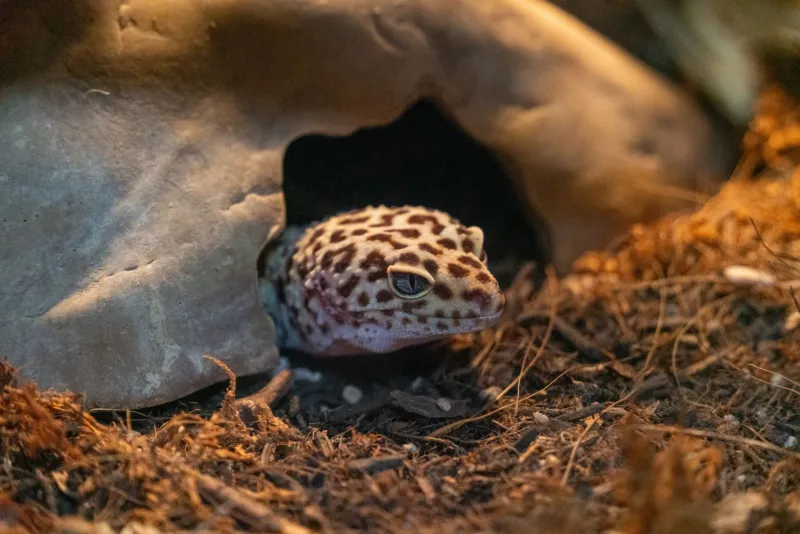
The box is on the kitchen counter. The deli cup is on the table. Your new reptile is somewhere in there, doing its best impression of a rock, and you're already googling things at 11 p.m. Welcome to the club. Every keeper at Reptile Holiday Market has stood exactly where you are—elated, slightly panicked, and holding a heat pad that's the wrong size.
Here's the part nobody says out loud at the booth: the hard work doesn't end when you leave the expo hall. It starts in a quiet room at home, with a separate enclosure and about two weeks of patience. This is the plan we wish came stapled to every receipt.
First, Why a Quarantine Tank Is Non-Negotiable
Even if your new animal looks perfect—clear eyes, full belly, bright colors—it just spent a weekend in a room with thousands of other reptiles. That's a lot of shared air, shared tables, and shared stress. Quarantine isn't about being paranoid. It's about giving a new animal a low-traffic, low-germ space to settle in, and giving yourself a two-week window to spot anything that needs a vet.
If you have other reptiles, put the new one in a completely separate room. Not a separate tank in the same room—a separate room. Wash your hands between animals, use separate feeding tongs, and keep a dedicated set of tools for the new arrival until the vet gives you the all-clear.
The Setup: Boring Is the Goal
A quarantine enclosure should be simple and easy to clean. Think paper towel substrate, a couple of hide boxes, a water dish, and a plain thermometer/hygrometer. Save the bioactive masterpiece and the fancy decor for later. Right now you want to see the animal, see its waste, and clean fast.
Make sure the heat gradient is running before the animal goes in—not after. A basking spot that's still warming up on day one is a recipe for a stressed, sluggish reptile that won't eat. Set it up, let it run for a few hours, and check temps with a digital probe, not the sticky dial from the pet store clearance bin.
Days 1–3: Hands Off
This is the hardest part. Do not handle the animal. Do not rearrange the tank. Do not post a hundred photos with flash on. Do not invite your neighbor over to see it.
What you should do: keep the room quiet, keep the lights on a normal schedule, and offer water. That's it. A new reptile needs to learn that its enclosure is safe, and every giant hand reaching in resets that clock. Offer food only if the animal is alert and the species is a known eager feeder—and even then, don't panic if it refuses. Refusing food for the first few days is normal.
Days 4–7: Watch and Hydrate
By the end of the first week, you should be able to answer a few questions, mostly by observing:
- Is the animal basking and then moving to the cool side?
- Are the eyes clear?
- Is there any wheezing, open-mouth breathing, or mucus around the nose?
- Have you seen droppings?
- Is the animal drinking, or at least spending time near the water dish?
Hydration is huge and often overlooked. Many reptiles arrive dehydrated after a show weekend. A shallow soak in lukewarm water—only for species that tolerate it, and only for 10–15 minutes—can help. For species that don't soak well, mist the enclosure lightly in the morning and make sure the water dish is clean and easy to reach.
Day 8: Make the Vet Call
Even if everything looks great, book a wellness exam for the end of week two. Bring a fresh fecal sample if you can. A good exotics vet will check weight, body condition, eyes, mouth, and skin, and talk you through the species-specific stuff—calcium, UVB, humidity ranges.
Finding an exotics vet is half the battle. If you didn't get a recommendation at the market, call around now, not later. Ask specifically if they see reptiles, and ask what a new-animal exam costs. Get on the schedule while the animal is still settling in, so the appointment lines up with the end of quarantine.
Days 9–13: Build Trust Slowly
This is the short-handling window. Five minutes, maybe twice a day, and only for species that tolerate handling. Let the animal move through your hands rather than grabbing it. If it puffs up, hisses, or bolts, put it back and try tomorrow. There's no prize for winning the handling battle in week one.
Start offering food on a regular schedule. Note what it eats, when, and how much. Take a photo of the animal on a plain surface every few days—it's the easiest way to track weight and spot changes you'd otherwise miss.
Day 14: The Vet Visit and the All-Clear
Assuming the exam goes well and the fecal comes back clean, you can start planning the introduction to your existing collection. That doesn't mean dropping the new animal into the big setup immediately. It means moving the quarantine tank into the same room, keeping tools separate for another week, and continuing to wash hands like it's flu season.
If the vet flags anything—mites, a respiratory issue, a stubborn lack of appetite—quarantine extends. That's not a failure. That's the system working.
The Early Warning Signs Worth a Phone Call
Don't wait for the two-week mark if you see any of these:
- Open-mouth breathing, wheezing, or bubbles around the nose
- Refusing food for more than a week in a species that should be eating
- Sunken eyes, loose skin, or dramatic weight loss
- Mites—tiny specks moving on the skin or around the eyes
- Bloody or unusually runny droppings
- Lethargy that doesn't improve with proper heat
When in doubt, call. Vets would much rather see a nervous new keeper on day four than a very sick animal on day twenty.
A Slow Start Is a Fast Start
The keepers who end up with calm, handleable, healthy reptiles aren't the ones who rushed the first two weeks. They're the ones who set up a boring tank, kept their hands to themselves, and made the vet appointment before the animal even had a name.
Your new reptile doesn't need a party. It needs a quiet room, a warm hide, and a couple of weeks to figure out that it's safe. Give it that, and everything else gets easier from there.