The Self-Cleaning Tank Is Real: How Bioactive Vivariums Won Over the Desert
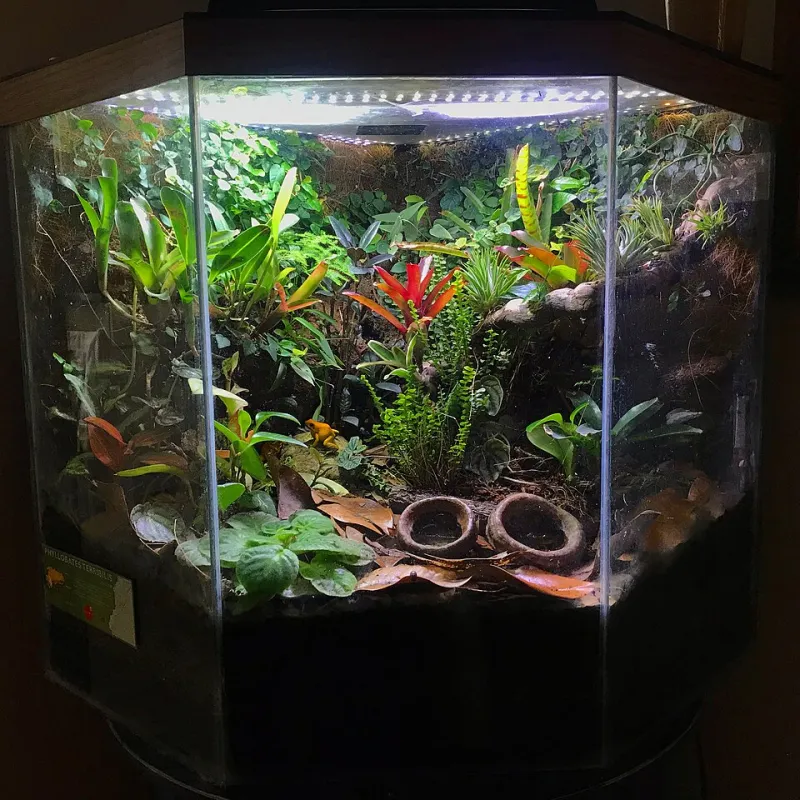
Photo: Connor Long, CC BY-SA 4.0, via Wikimedia Commons
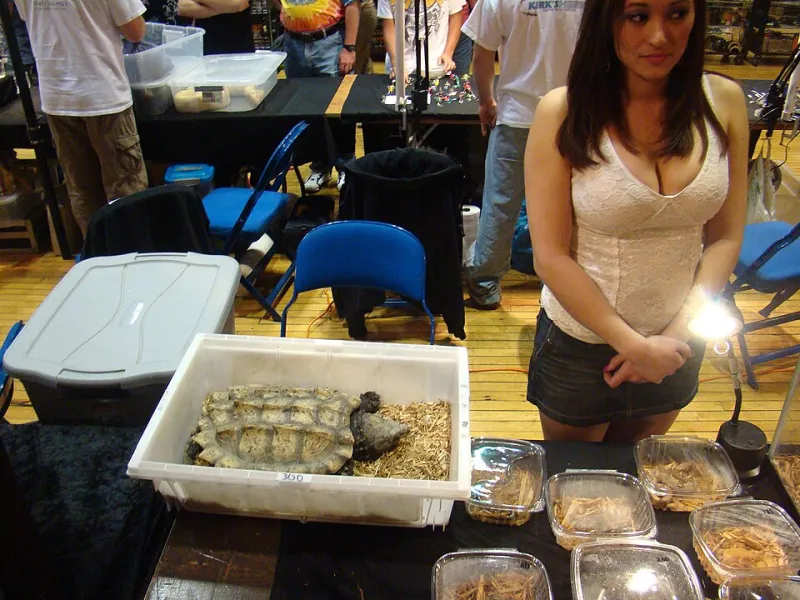
Walk the aisles at this year's Reptile Holiday Market and you'll notice something missing: rows of bare glass tanks lined with paper towels. In their place are living landscapes — mossy ledges, trailing pothos, twisted driftwood — all of it crawling, quietly, with a cleanup crew working the night shift.
Bioactive vivariums have moved from a niche hobbyist obsession to the default setup at vendor booths across the Southwest, and the reasons why are more practical than aesthetic.
What "Bioactive" Actually Means
A bioactive enclosure is a self-sustaining miniature ecosystem. Instead of spot-cleaning waste from substrate, you introduce a "cleanup crew" of invertebrates — usually isopods (the land-dwelling cousins of pillbugs) and springtails (tiny moisture-loving hexapods) — plus live plants and a deep, layered substrate called a bioactive mix.
The crew breaks down waste, shed skin, and mold. The plants absorb the nutrients. The keeper's job shifts from janitor to ecosystem manager.
"People think it's a fancy trend," says one vendor who sells isopod cultures and live plants at Southwest expos. "It's really just keeping animals the way they actually live."
Why It Works Especially Well in the Desert
Here's the counterintuitive part: keepers in dry climates have an advantage. Humidity management is the hardest part of bioactive keeping in muggy regions like Florida, where vivariums can swing too wet and mold takes hold. In the arid Southwest, ambient air is your friend.
For desert species — leopard geckos, bearded dragons, sand boas, uromastyx — a bioactive setup with a dry-side and a humid hide mirrors the microclimates these animals use in the wild. And for keepers running tropical species in a dry house, the tank holds humidity far better than paper towels ever could.
The Starter Build, Step by Step
Step 1: Drainage layer. For tropical builds, start with an inch or two of expanded clay balls (hydroballs) so excess water has somewhere to go. Desert builds can often skip this.
Step 2: Barrier mesh. Landscape fabric or fiberglass screen keeps the substrate from sinking into the drainage layer.
Step 3: Substrate. A classic mix is topsoil (no pesticides), play sand, and coco fiber — roughly 50/30/20. Aim for at least 3–4 inches deep so the crew can burrow.
Step 4: Hardscape first. Place rocks, cork bark, and branches before adding animals. Stability matters — a collapsing rock pile is the fastest way to ruin a tank.
Step 5: Plants. For tropical builds: pothos, creeping fig, bromeliads. For arid builds: snake plants, jade, and hardy succulents that tolerate reptile traffic.
Step 6: The cleanup crew. Add springtails first (they need moisture), then isopods. Popular species for beginners include Armadillidium vulgare for drier setups and Porcellionides pruinosus for faster waste processing.
Step 7: Wait. Let the plants establish and the colony grow for two to four weeks before introducing your animal. Patience here saves headaches later.
The Cost Breakdown
A first bioactive build for a 40-gallon tank runs roughly:
- Drainage layer and mesh: $15–25
- Substrate ingredients: $25–40
- Hardscape (cork, rocks, branches): $30–60
- Plants: $20–50
- Springtail and isopod cultures: $20–35
That's $110–210 all-in — comparable to a quality heating setup, and it replaces years of substrate changes and disposable liner purchases. After the initial build, ongoing costs are mostly leaf litter, occasional culture refreshes, and a full-spectrum grow light if your plants need one.
The Honest Caveats
Bioactive isn't zero-maintenance. You'll still spot-check water bowls, prune plants, and monitor the isopod population. And bioactive setups make it harder to track your animal's output — keepers of young or sick reptiles often prefer paper towel setups temporarily for health monitoring.
Meet the Crew at the Market
Several vendors specializing in isopod cultures, springtails, and live plants exhibit at every Reptile Holiday Market — and they're happy to talk a beginner through their first build. Bring your tank dimensions and your species list, and ask the question that starts every good bioactive journey: "What cleanup crew works for my climate?"
The answer might be the start of your tank's own tiny ecosystem.